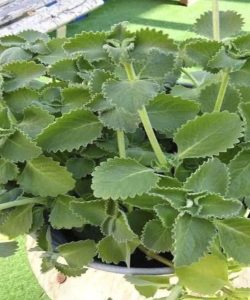
Hydrangeas – Large Bloom Nutrient Demand
Hydrangeas produce large, dense flower heads that require steady potassium. Banana peel compost supports that demand gradually without forcing growth.
Apply compost containing banana peels as a top dress in spring and again early summer. Water in thoroughly.
Sunflowers – Structural Load Support
Sunflowers build heavy seed heads on tall stems. Potassium supports structural strength and seed filling.
Use deep pre-plant burial with compost so nutrients release as roots deepen.
Marigolds – Continuous Bloom Cycle
Marigolds bloom continuously and benefit from light potassium supplementation.
Use banana tea every 4–5 weeks to extend bloom cycles without overstimulation.
Eggplant – Flower Stability
Eggplants drop flowers when nutrient balance is off. Potassium support improves fruit set reliability.
Apply monthly banana tea once flowering starts.
Beans – Soil Life Enhancement
Beans fix nitrogen but still depend on microbial soil networks. Banana peels help those microbes.
Use only composted banana peels pre-plant.
Flowering Houseplants – Trace Mineral Boost
Flowering indoor plants benefit from trace minerals but are salt-sensitive.
Use very diluted banana tea every 6 weeks only during active growth.
Common Mistakes With Banana Peels
Do not:
Throw whole peels on soil surface
Bury large chunks near roots
Use weekly (too frequent)
Rely on peels as sole fertilizer
Apply to seedlings
Think supplement – not main feed.
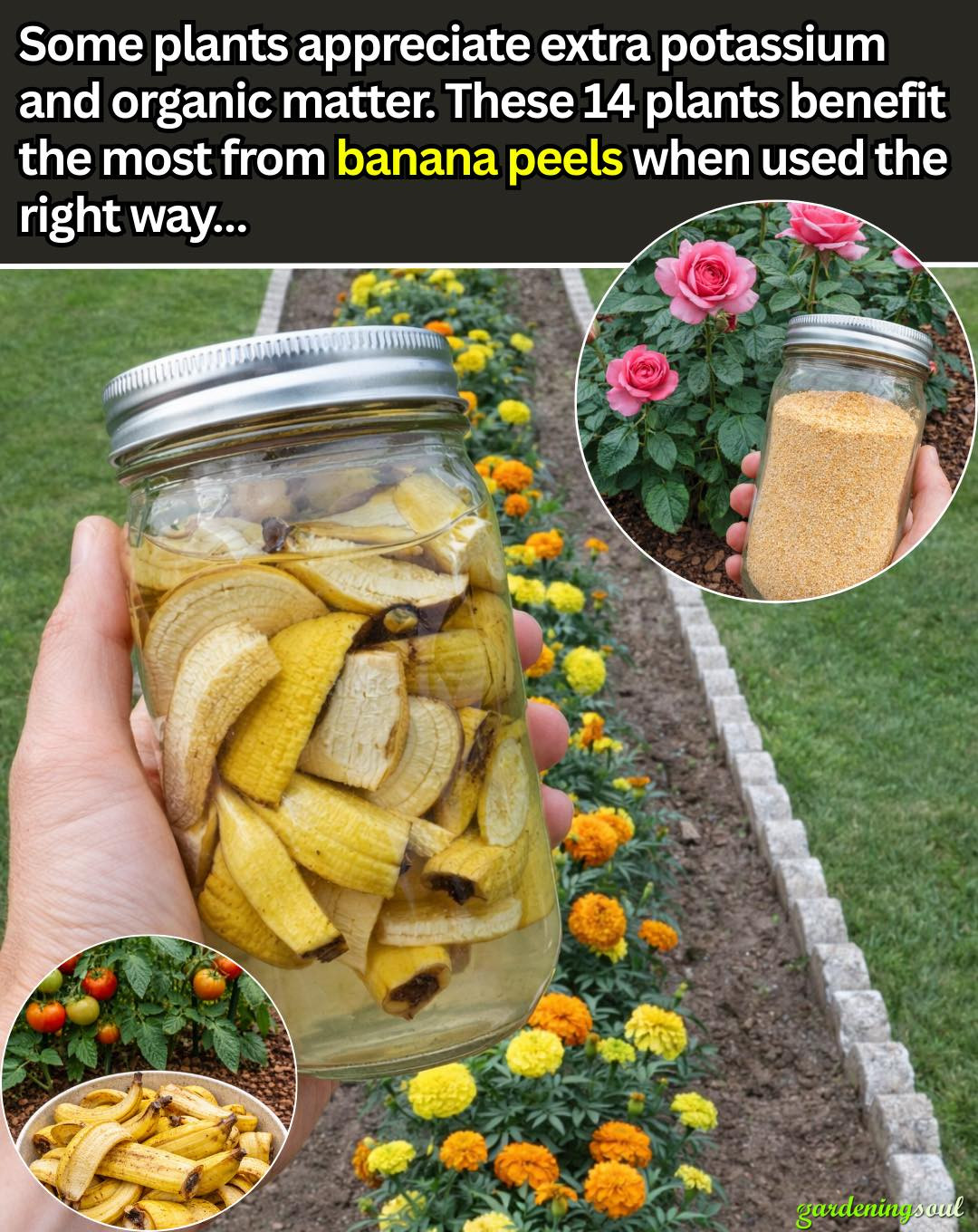
Banana peels are a powerful garden resource when used correctly. They provide potassium, trace minerals, and microbial food that support flowering, fruiting, and plant resilience.
Tomatoes, peppers, roses, berries, cucumbers, and flowering plants benefit most – especially when peels are composted, dried, or brewed into tea.